

Celebrating 20 years of connecting California’s public-sector leaders with sustainability solutions
Quick Links:
Creating a More Resilient Community: Fire Prevention and Preparedness
Date: September 16, 2026
Time: 4:00 PM – 4:30 PM
Ballroom A
As wildfires continue to reshape California’s landscapes and communities, resilience must extend beyond emergency response to include preparedness, recovery, adaptation, and long-term sustainability. This session will explore practical strategies for reducing wildfire risk while strengthening community capacity to withstand and recover from future disasters. Participants will examine how local governments, residents, businesses, fire agencies, insurers, and community organizations can work together to develop coordinated approaches to wildfire resilience. Topics will include community organization and collaboration, evacuation planning, Community Wildfire Protection Plans (CWPPs), land-use and mitigation strategies, and the growing relationship between wildfire risk, the wildland-urban interface (WUI), and insurance availability. Through case studies and lessons learned from communities across California, attendees will gain actionable tools to support local planning efforts, improve public safety, and create more sustainable, resilient communities capable of adapting to an increasingly complex wildfire environment. Whether your community is preparing for its first major wildfire or working to recover from one, this session will provide a roadmap for building long-term resilience.
LEARNING OBJECTIVES
Participants will be able to:
- How to develop a framework for community organization and collaboration that engages residents, local government, fire agencies, businesses, and community partners in wildfire resilience efforts.
- Understand how to develop and implement effective evacuation plans that improve preparedness, communication, and safe community egress during wildfire emergencies.
- Understand the key components of modern Community Wildfire Protection Plans (CWPP) to identify risks, prioritize mitigation projects, and guide long-term resilience investments.
- Understand the relationship between wildland fire, WUI risk, and insurability, including how mitigation actions and community preparedness influence insurance availability and affordability.
Speakers:
Matt Rahn, Director / Mayor Pro-Tem, The Wildfire Conservancy / City of Temecula
Kelcey Stricker, Health and Safety Director, The Wildfire Conservancy
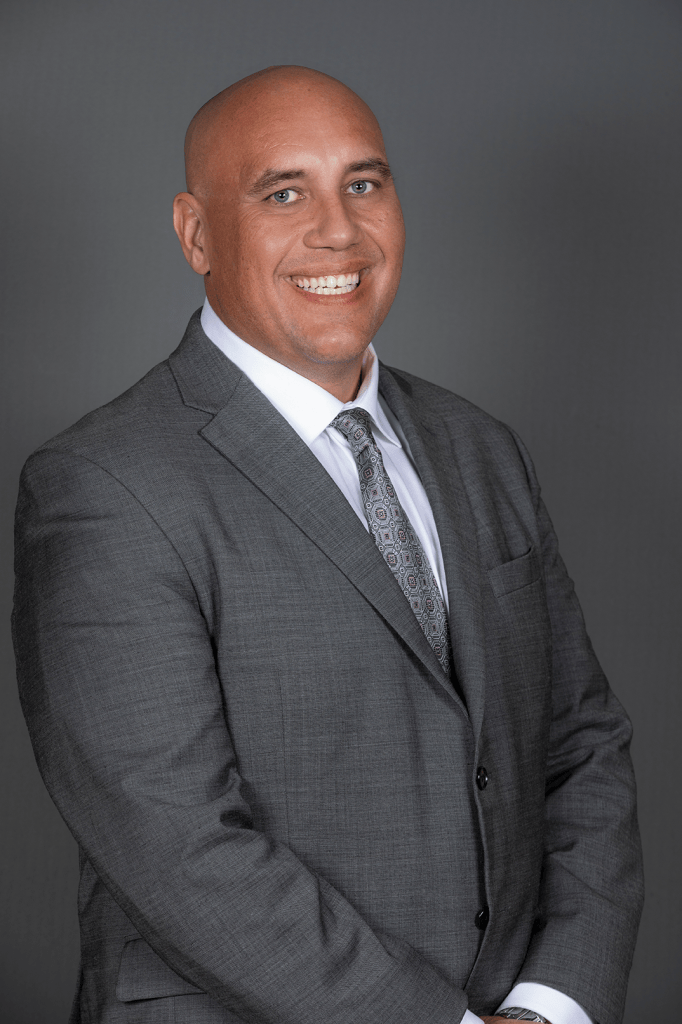
Dr. Matthew Rahn is a scientist, educator, public-safety researcher, legal expert, and elected official whose career bridges research, policy, and real-world implementation. He is the Founding Director of the Wildfire Conservancy and the Founding Director and Lead Instructor of the Wildfire Science and the Wildland Urban Interface Program at California State University San Marcos. His work has helped advance national approaches to wildfire attack effectiveness, firefighter cancer and occupational exposures, behavioral health, community resilience, and public-safety staffing. Holding both a PhD and JD, Dr. Rahn brings more than 25 years of experience in environmental science, statistics, public policy, land-use planning, public health, and public safety. He has served on the Temecula City Council since 2014, including terms as Mayor in 2018 and 2022 and currently as Mayor Pro Tem in 2026, while also holding numerous regional and statewide leadership positions. Beyond academia and government, he founded a multidisciplinary environmental and land-use consulting practice focused on biological resources, transportation, energy, and water resources. Across these diverse roles, Dr. Rahn is known for translating complex science into practical policies, stronger institutions, and measurable improvements in public and community safety.

My research is focused on firefighter health and safety with a focus on occupational exposures and behavioral barriers to implementation of health-related interventions. I also spent ten years as the Environmental Director for a tribal government in southern California where I was responsible for an EPA designated ambient air quality monitoring program, water quality monitoring program, and all aspects of federal compliance for collection, management, and distribution of data. I have worked with the Wildfire Conservancy team on firefighter health and safety research projects—including those related to hydration/heat stress, the Fire Fighter Cancer Cohort Study, clean cab, and dermal exposures—since 2006. My dissertation work, completed with UNC Chapel Hill in 2023, was focused on the barriers and facilitators to adoption of decontamination protocols in wildland firefighters (Stricker 2023, https://doi.org/10.17615/1zrv-yf42). I currently also teach statistics, research methods and design, and fire ecology at California State University San Marcos for the Wildfire Bachelor of Sciences degree program.
